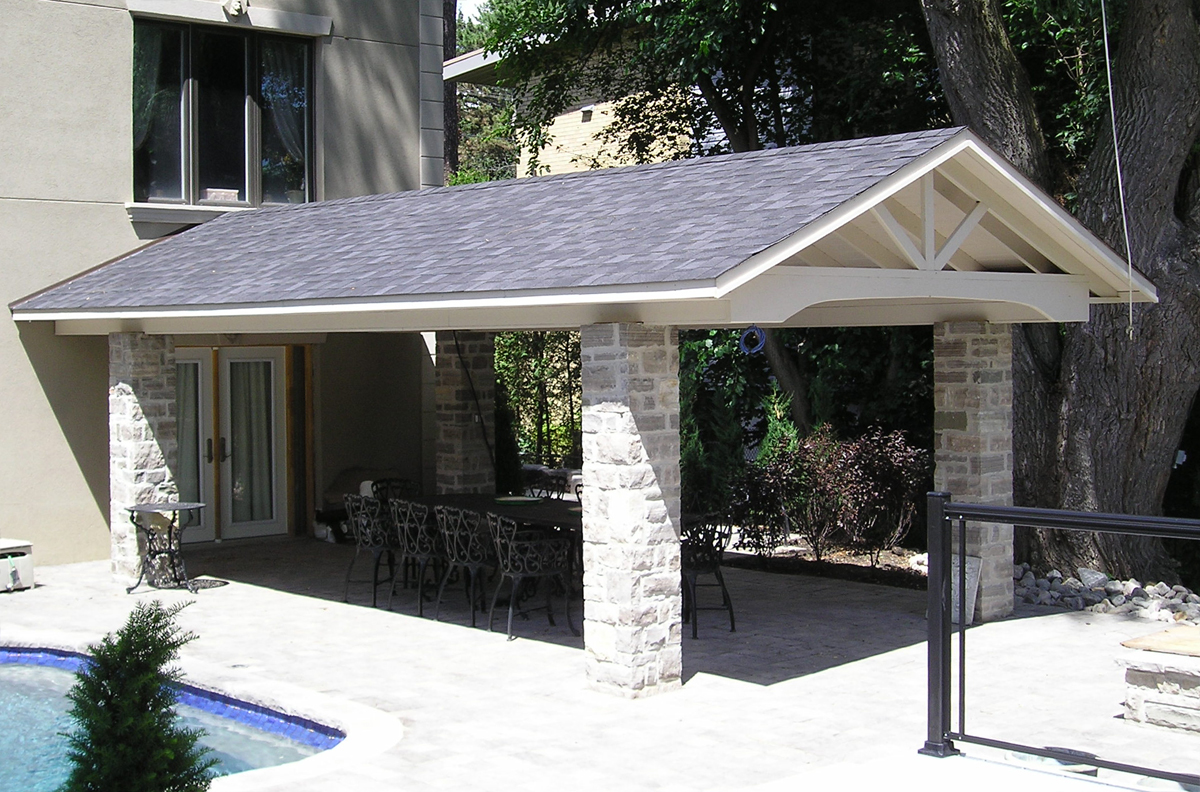
Veranda & Awning Roof Extension

Veranda/awning roof extension is a great way to add shade, weather protection, and extra outdoor living space to your home. Here’s a quick overview to help you plan one — whether you’re doing it yourself or hiring a contractor.

What a Veranda Roof Extension Is?

A veranda roof extension extends the existing roofline or adds a new roof structure over a veranda (porch, patio, or deck), providing cover from sun and rain. It can be attached to your house or freestanding. permanent or semi-permanent roofed area that extends from the main structure of a house to create a covered outdoor living space. It’s designed to provide shade, shelter, and a smooth indoor–outdoor flow. A veranda (also called a patio roof or covered deck) is an open-sided, roofed extension attached
to your home—often at the rear or side. It can be freestanding or connected to the existing roofline. It’s commonly used to cover:

  • Decks
  • Patios
  • Outdoor dining or lounging areas
  • Entryways or garden spaces

Common Types of Veranda Roof Extensions

Flat Roof Veranda

  • Simple, modern, and affordable.
  • Uses materials like steel, aluminum, or timber with polycarbonate or metal sheeting.
  • Great for contemporary homes.

Pitched Roof Veranda

  • Matches your home’s existing roof angle.
  • Offers better water runoff and a cohesive architectural look.
  • Commonly tiled or made of Colorbond (metal roofing).
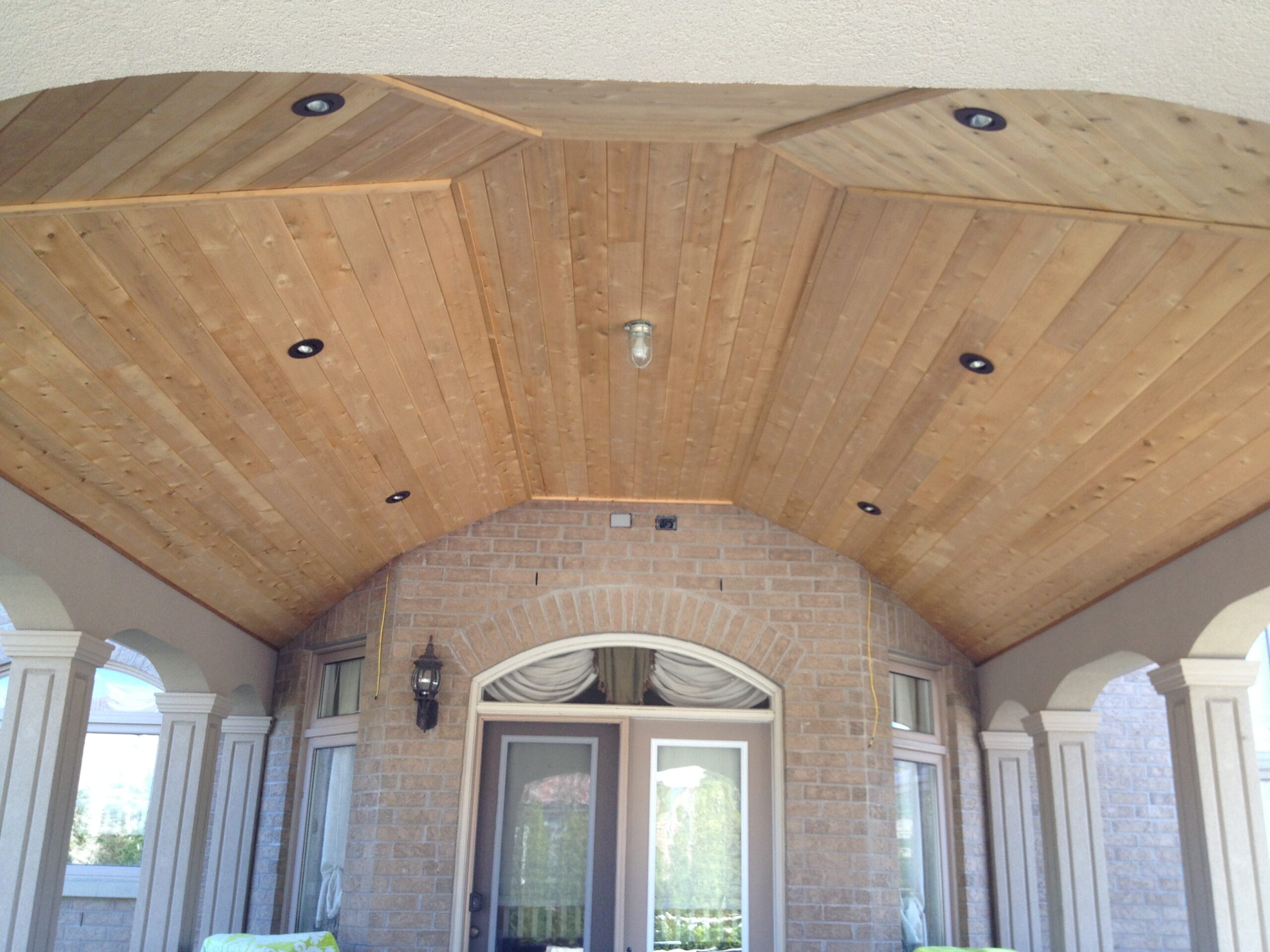
Curved Roof Veranda

  • Elegant and modern.
  • Often made from aluminum frames with polycarbonate sheets.
  • Allows more light while deflecting rain.
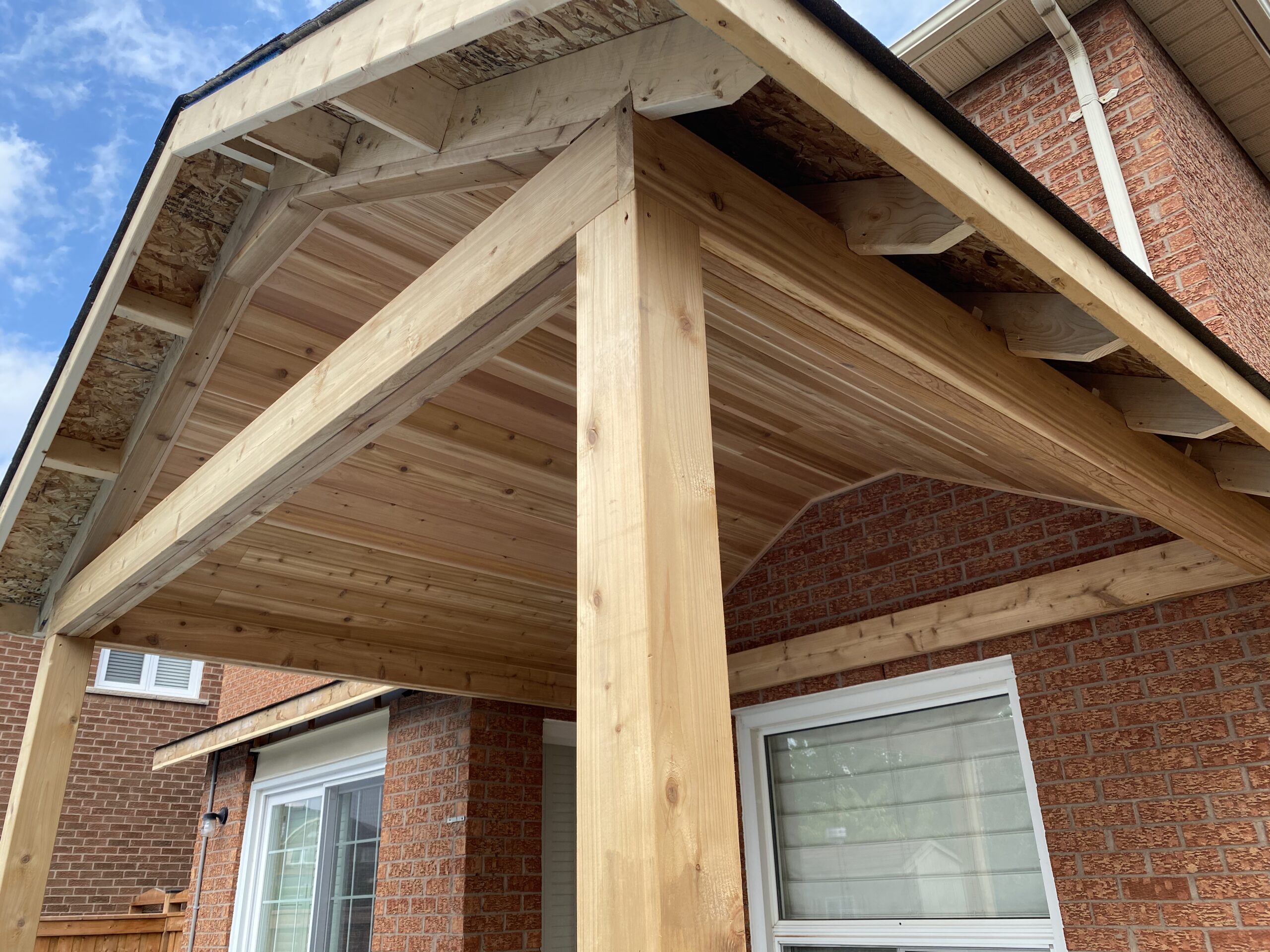
Gable Roof Veranda

  • Triangular (A-frame) shape for more headroom and airflow.
  • Visually striking and ideal for entertaining areas.
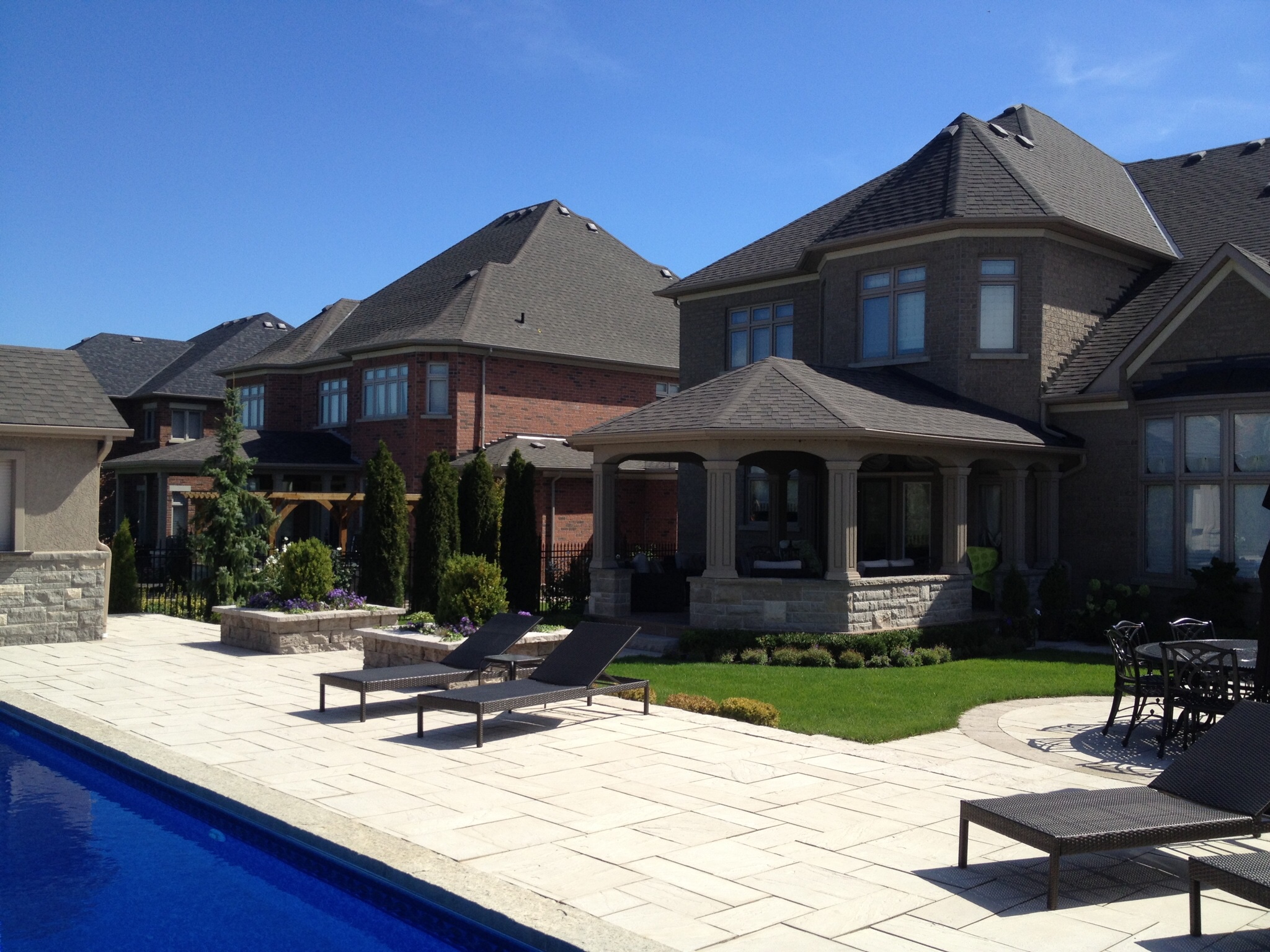
Insulated Roof Veranda

  • Uses insulated panels to reduce heat and noise.
  • Perfect for all-season use, especially in areas with strong sun or cold winters.

Materials

  • Polycarbonate panels: lightweight, UV-resistant, and affordable
  • Metal sheeting (Colorbond, aluminum): durable and low maintenance
  • Glass: premium, elegant, lets in natural light
  • Insulated composite panels: for thermal comfort and quietness.

Frame

  • Timber
  • Aluminum, or steel

Guttering

  • To manage rainwater runoff properly

Benefits

  • Extends your living area outdoors
  • Increases home value
  • Protects outdoor furniture from weather
  • Reduces heat entering your home through adjacent windows

Key Considerations

This is the Building Permits

Often required, especially if attached to your home.

Water Drainage

Ensure proper guttering and downpipes.

Integration

Match materials & pitch to your existing roof for a cohesive look.

Orientation

Consider sun direction and prevailing winds for comfort.

Select from Our Top-Rated, Built-to-Last Models

Make Appointment

Get FREE Consultation About Your Project

Our Location

Our Support

Contact Us